The power of
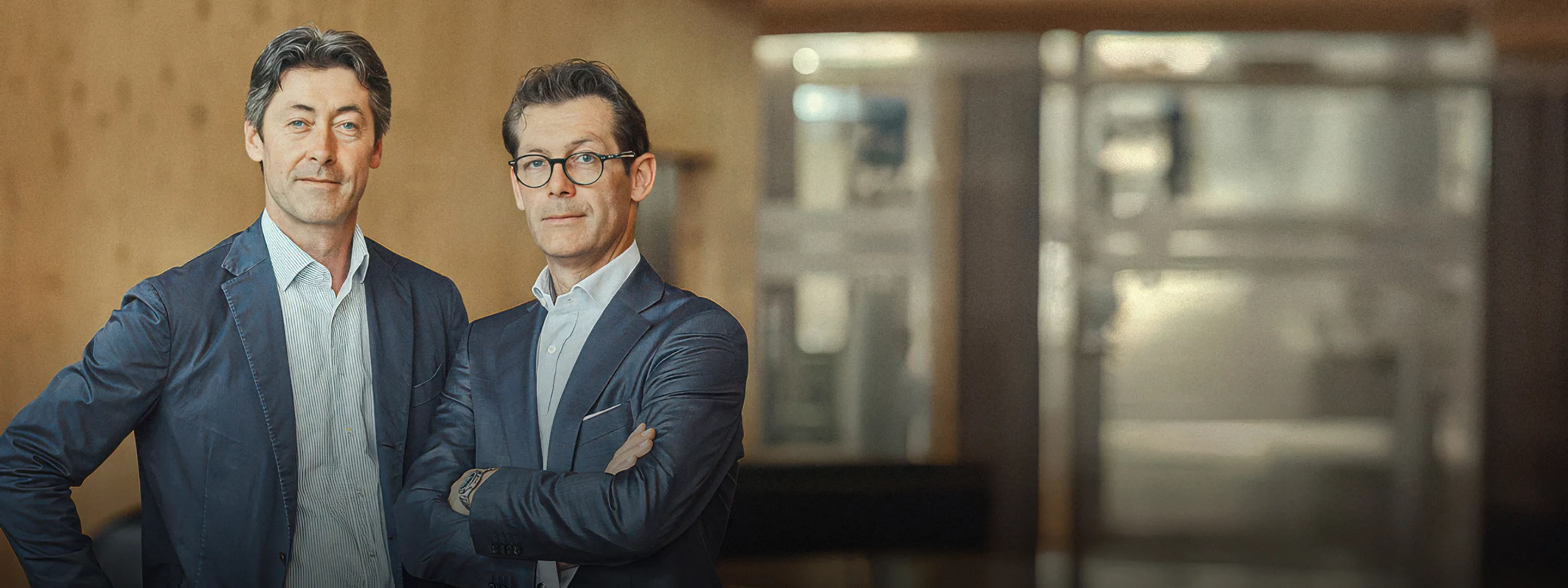
For more than 320 years, we have lived as a family business in harmony with nature. Our philosophy is rooted in the values of our history, which we continue to develop with vision and innovation. The name Stallinger stands for that – yesterday, today, and tomorrow.
geschichte_milestones_headline

1699
First documented in 1699, the company has been run by the Stallinger family in its eighth generation.
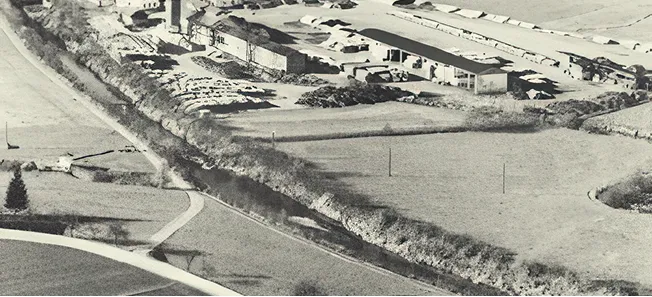
1950 – 1960
Leopold Stallinger sen. expands the sawmill business into a future-oriented industrial operation. Stallinger acquires its first own forest areas.
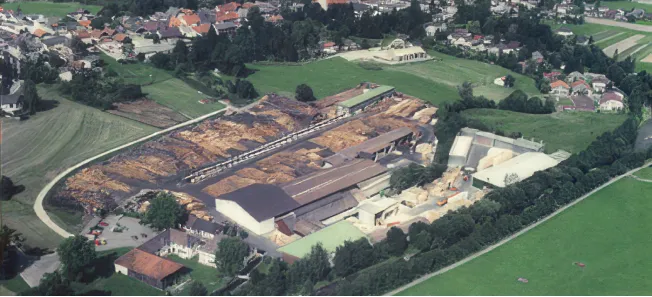
1992 – 1998
The 90s are characterized by growing export business: Franz & Leopold jun. take over the business in the 8th generation, found Stallinger Holding GmbH and open a second plant in Amstetten (Austria).

2004 – 2008
In the early 2000s, Stallinger expands by taking over the Kaufmann Holz group of companies, opening a third sawmill in Chur (Switzerland) and building the headquarters in St. Georgen. In 2008, there is a buyout of all 6 plants with over 1,000 employees and €300 million turnover.
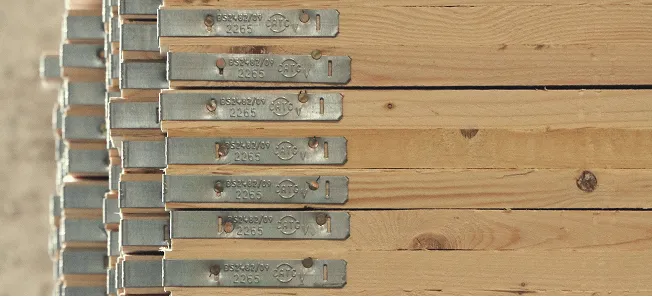
2009
Stallinger develops a new concept and specializes in international trade and production of scaffolding boards. As part of this, the plant in Zipf (Austria) is opened and first real estate investments are made.
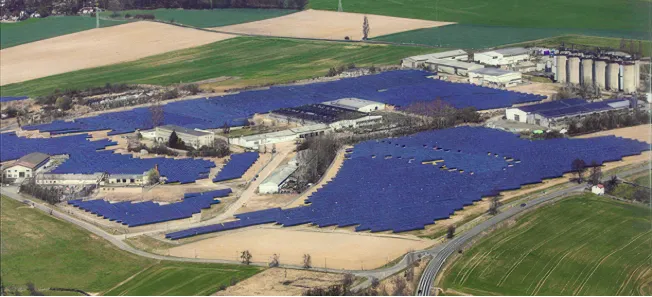
2010 – 2015
Commitment and investment in sustainable energy generation increasingly come into focus. This is expressed in the opening of the first photovoltaic park in Germany and the design of a hydroelectric power plant in Peru (HPP Carhuac).
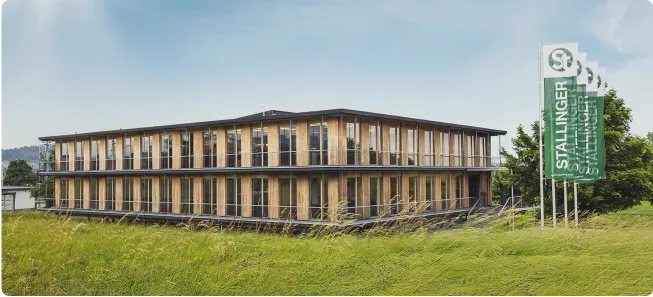
2015/2016
Stallinger reintegrates the Frankenmarkt sawmill site including headquarters in St. Georgen back into the family business.
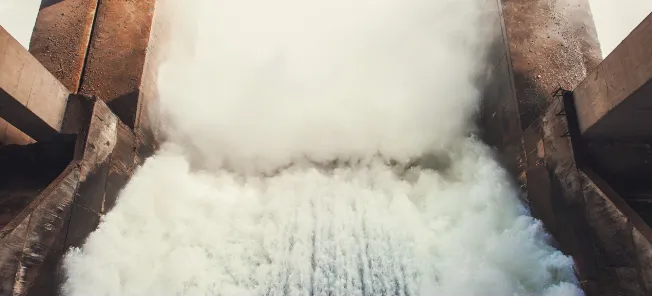
2018
The Carhuac hydroelectric power plant goes online. Thanks to the topographical conditions, electricity can be generated through natural drop heights.
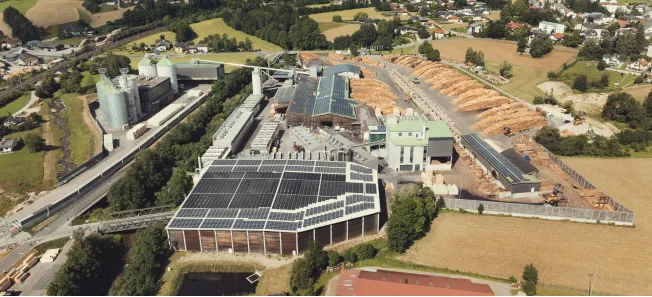
2019–2023
Through extensive capital investments, the sawmill is being continuously optimized and modernized – integrating state-of-the-art technologies, advanced automation, and digitalization. These include, among others, a new saw line, two large-scale photovoltaic (PV) systems, a second rail connection, and a range of modern electric and autonomous material-handling vehicles.
Today and in the Future
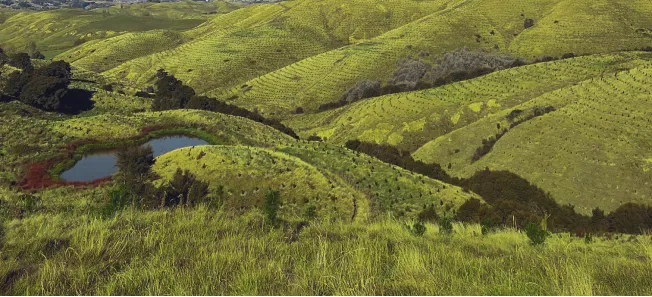
With the completion of pellet production and a low-emission biomass heating plant at the Frankenmarkt site, Stallinger continues on the path of sustainability. In the future, we also plan and implement projects in the field of renewable energies such as a second hydroelectric power plant in Peru and the reforestation of pasture land in New Zealand. We continue.